A Brief History Of Oil Palm In Nigeria
Oil palm (Elaeis guineensis) is deeply rooted in Nigeria's history, culture, and economy. Long before it became a globally traded commodity, oil palm was a staple of daily life across southern Nigeria and much of West Africa, providing food, medicine, and livelihoods for generations.
Origins in West Africa
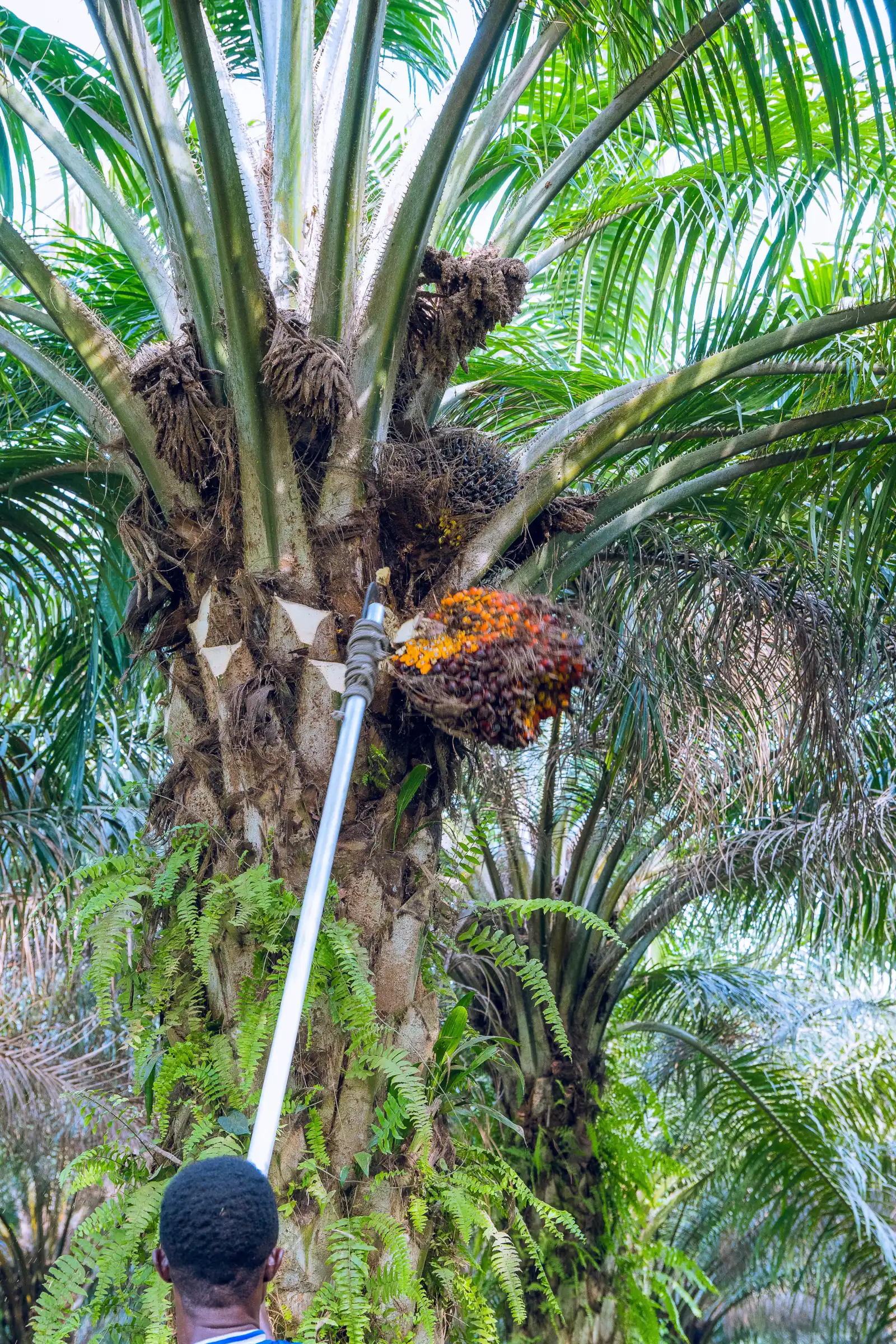
Oil palm is native to the tropical rainforest belt of West and Central Africa. Its natural range stretches across present-day Nigeria, Ghana, Côte d'Ivoire, Liberia, Sierra Leone, Cameroon, and into parts of Central Africa.
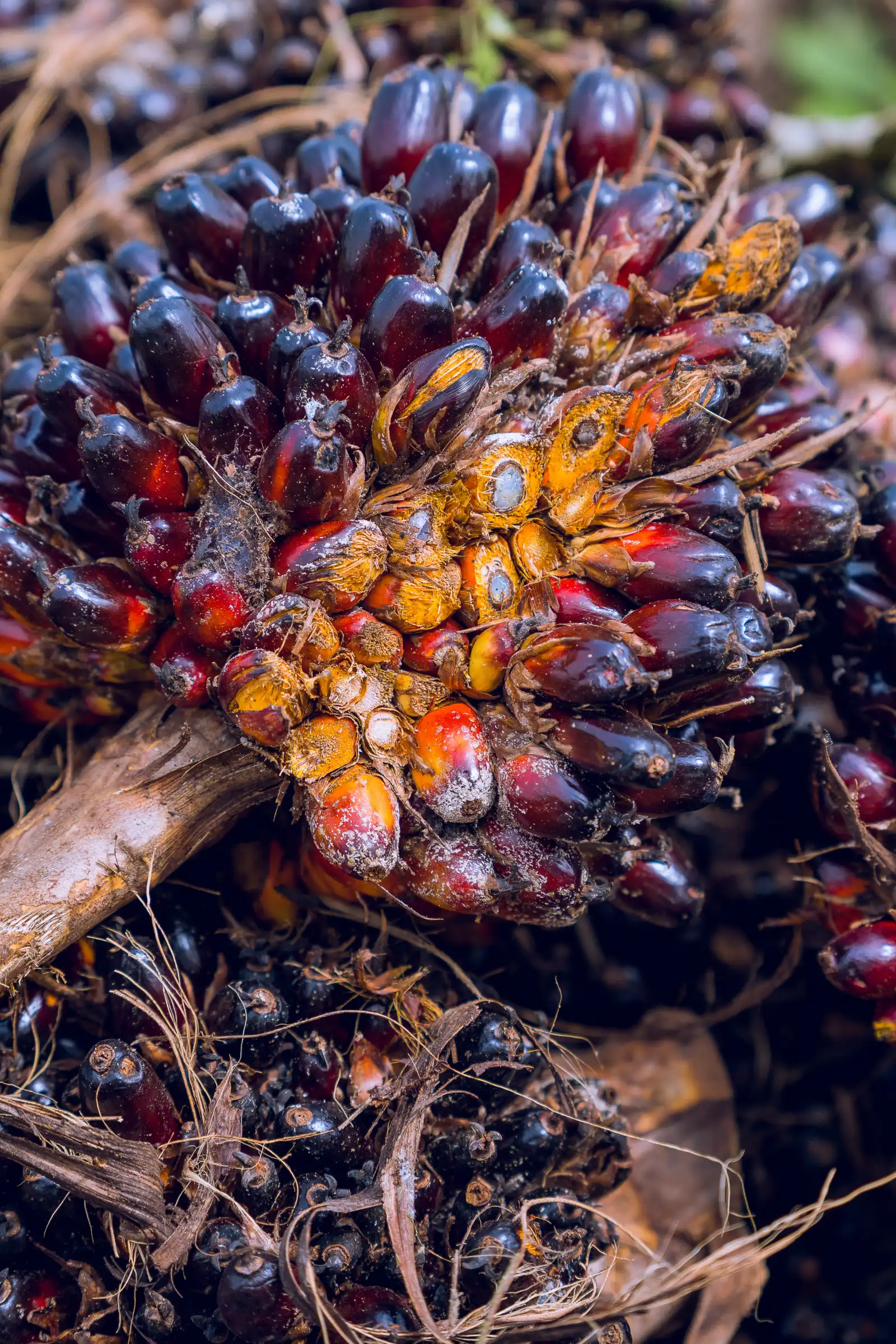
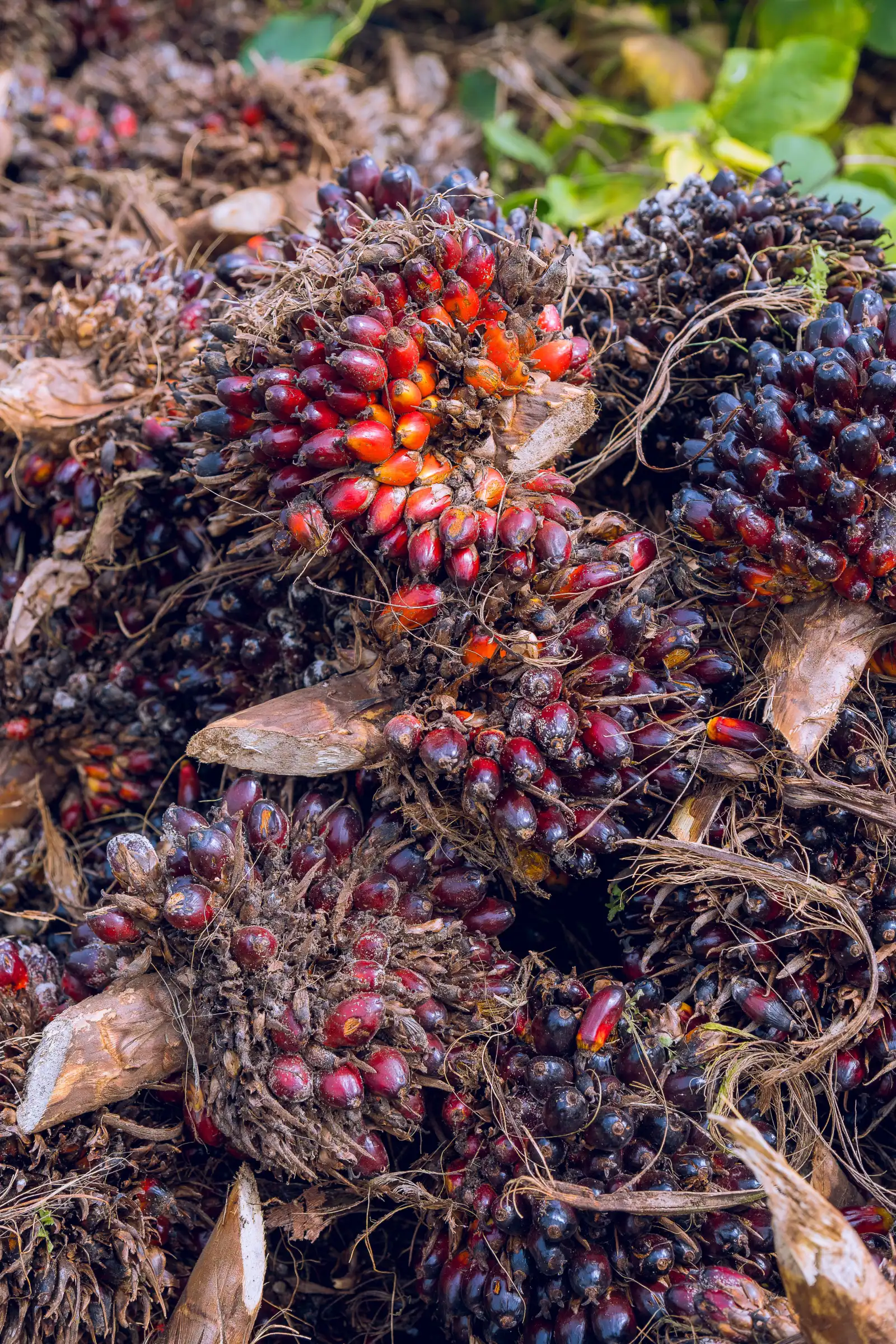
In Nigeria, palm oil processing has been practiced for thousands of years using traditional methods. The richly coloured red oil, extracted from palm fruit pulp, remains a cornerstone of West African cuisine, valued for both its flavour and nutritional content.
Between the 14th and 17th centuries, palm fruits were transported from West Africa to the Americas and later to Southeast Asia. While the crop originated in Africa, it thrived exceptionally well in the Far East due to favourable climates, organised plantation systems, and early adoption of mechanised farming. This global transfer would later reshape the balance of palm oil production worldwide.
Nigeria's Early Leadership
International trade in palm oil began in the early 19th century. The Industrial Revolution in Europe drove demand for palm oil, particularly for:
- Soap and detergent manufacturing
- Industrial lubricants and tin plating
By the late 19th and early 20th centuries, Nigeria was the world's leading exporter of palm oil and palm kernels. By 1911, British West Africa exported over 87,000 tonnes of palm oil annually, with Nigeria contributing the largest share. Palm kernel exports also grew rapidly, with Nigeria supplying nearly 75% of British West Africa's total output.
Throughout the first half of the 20th century, Nigeria, alongside other African producers, dominated global palm oil production. Much of this output came from wild groves and smallholder farms rather than large plantations.
Following independence, Nigeria's palm oil sector experienced a gradual decline. Shifts in national economic focus, particularly the rise of crude oil, reduced investment in agriculture.
At the same time, limited mechanisation, fragmented land tenure systems, ageing plantations, and slow adoption of improved planting materials constrained productivity.
While Nigeria relied largely on smallholder and semi-wild production systems, Southeast Asian producers accelerated ahead through large-scale plantations, research-driven improvements, and strong institutional support, overtaking Nigeria in global palm oil output by the mid-20th century.
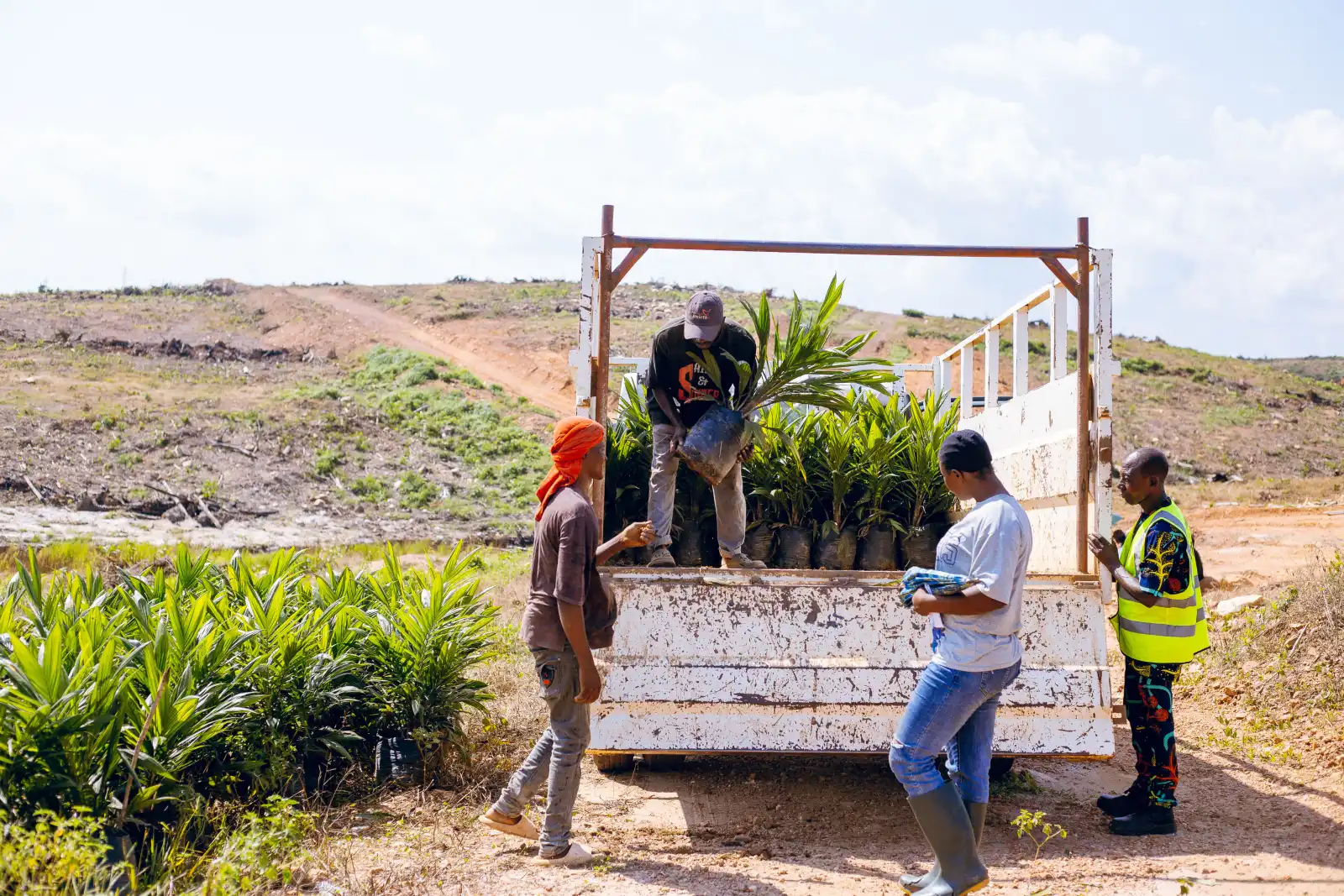
Rewriting the Story: The Role of JB Farms
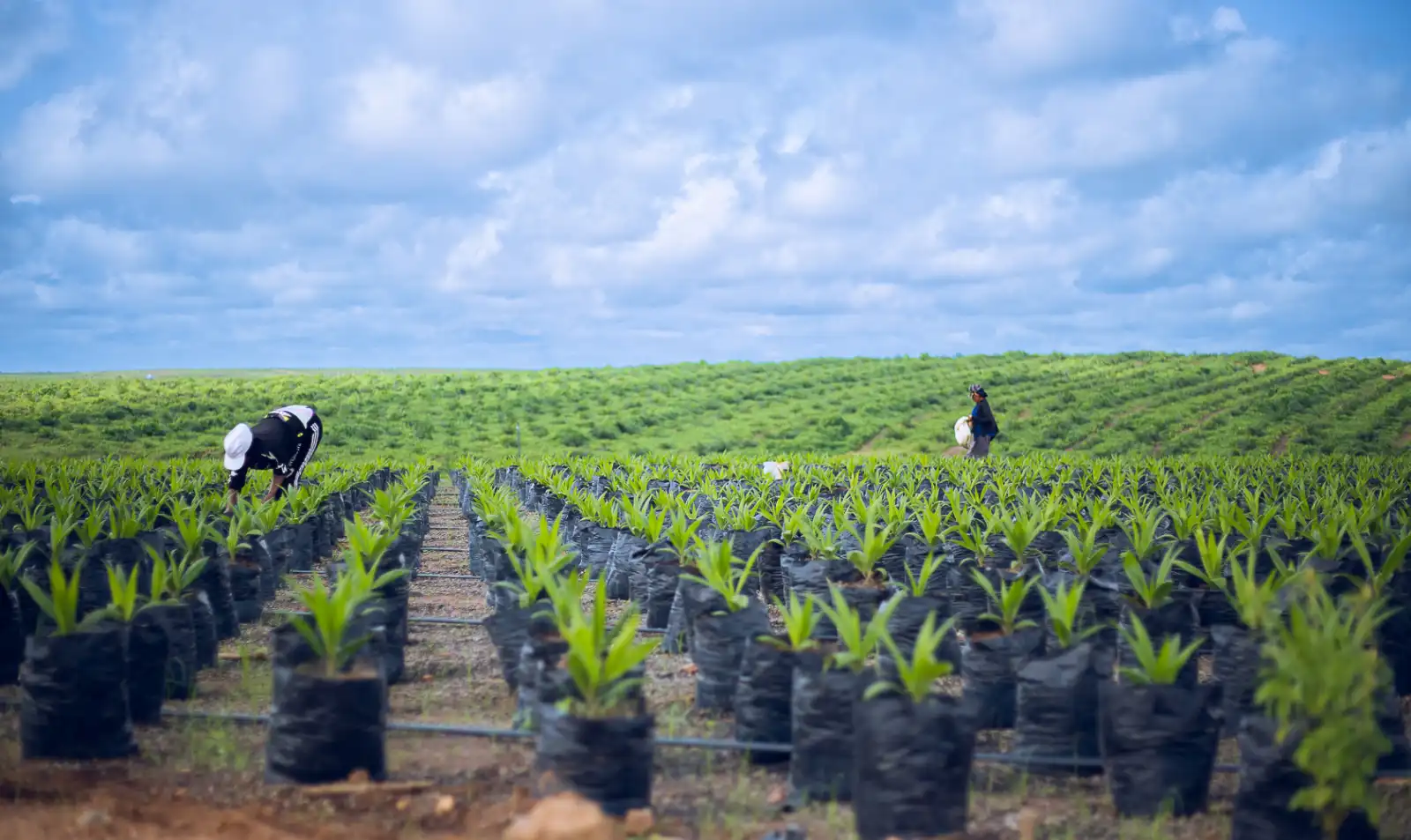
Today, a new generation of agribusinesses is working to address the structural gaps that contributed to this decline. JB Farms is part of this effort, focused on revitalising oil palm cultivation through modern farming practices, improved planting materials, and a long-term commitment to sustainability and scale.
By bridging traditional knowledge with contemporary agronomy and operational efficiency, JB Farms is contributing to a renewed palm oil narrative, one built on productivity, resilience, and value creation across the supply chain.