JB Farms Commissions Expanded Milling Capacity to Support Growing Palm Output
February 25, 2026

February 25, 2026
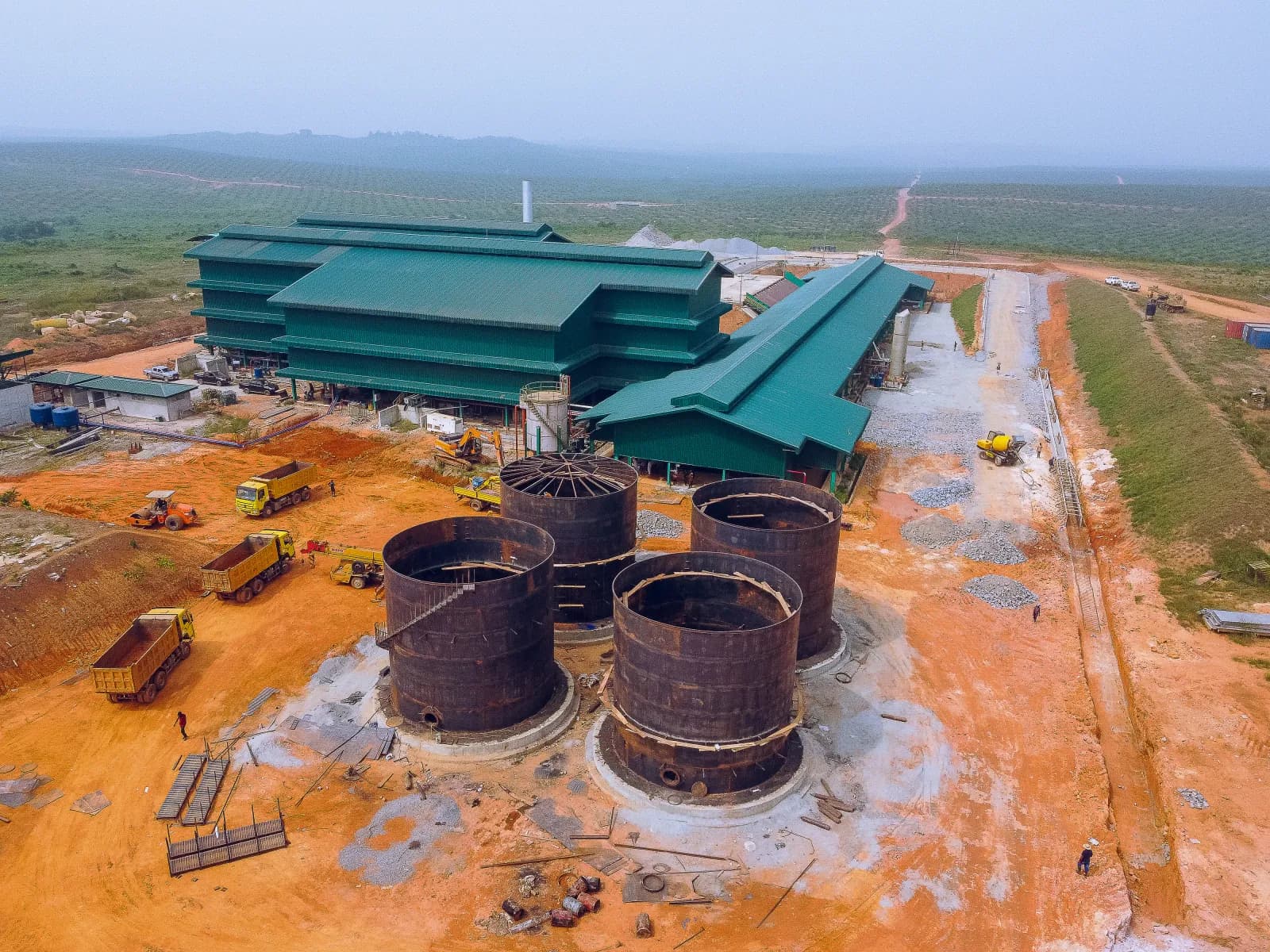
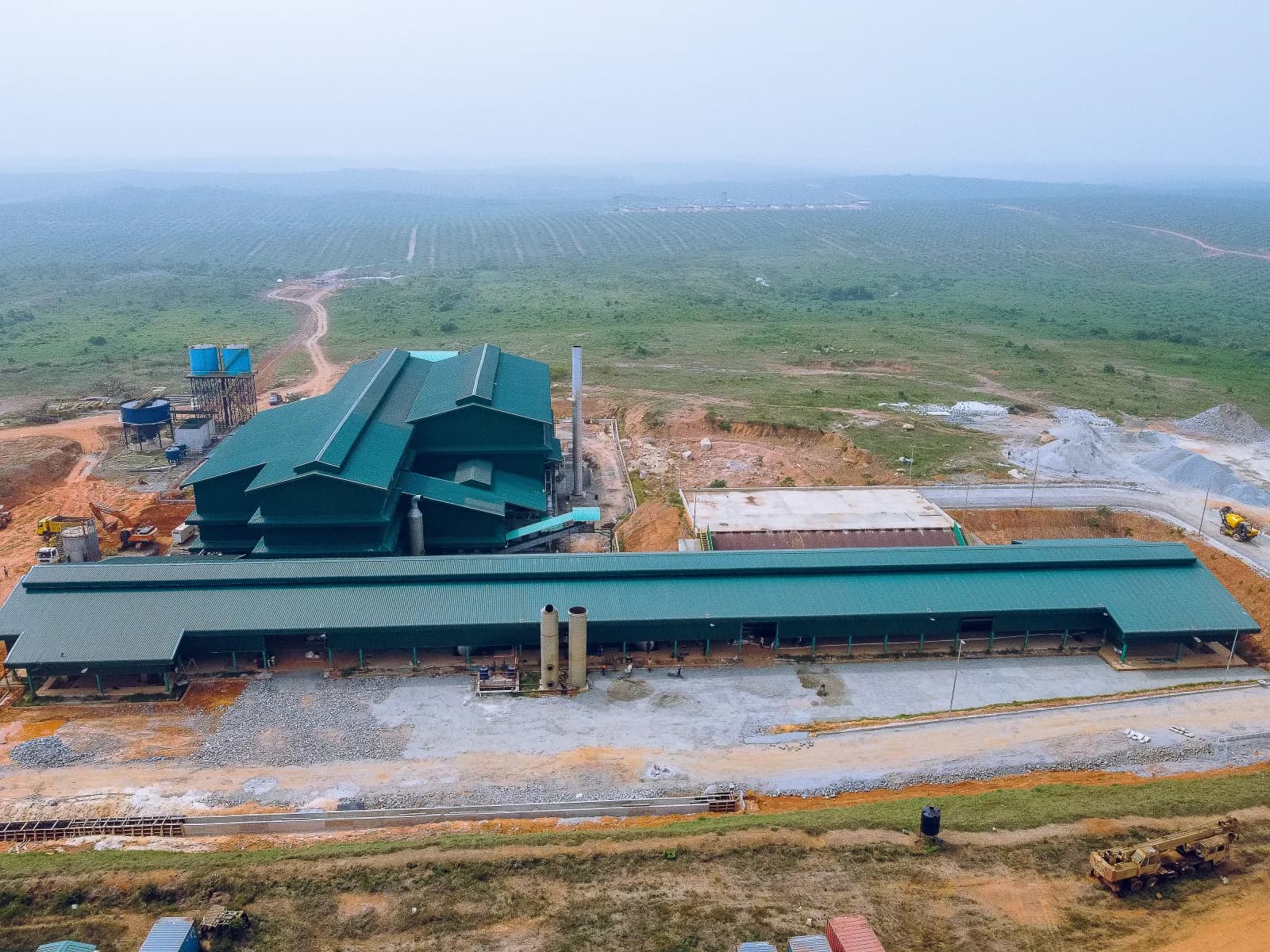
JB Farms is set to commission a 30-tonnes-per-hour fully industrialised palm oil mill located in Ore, Ondo State, marking a major milestone in the company's growth and its contribution to Nigeria's agricultural and industrial development.
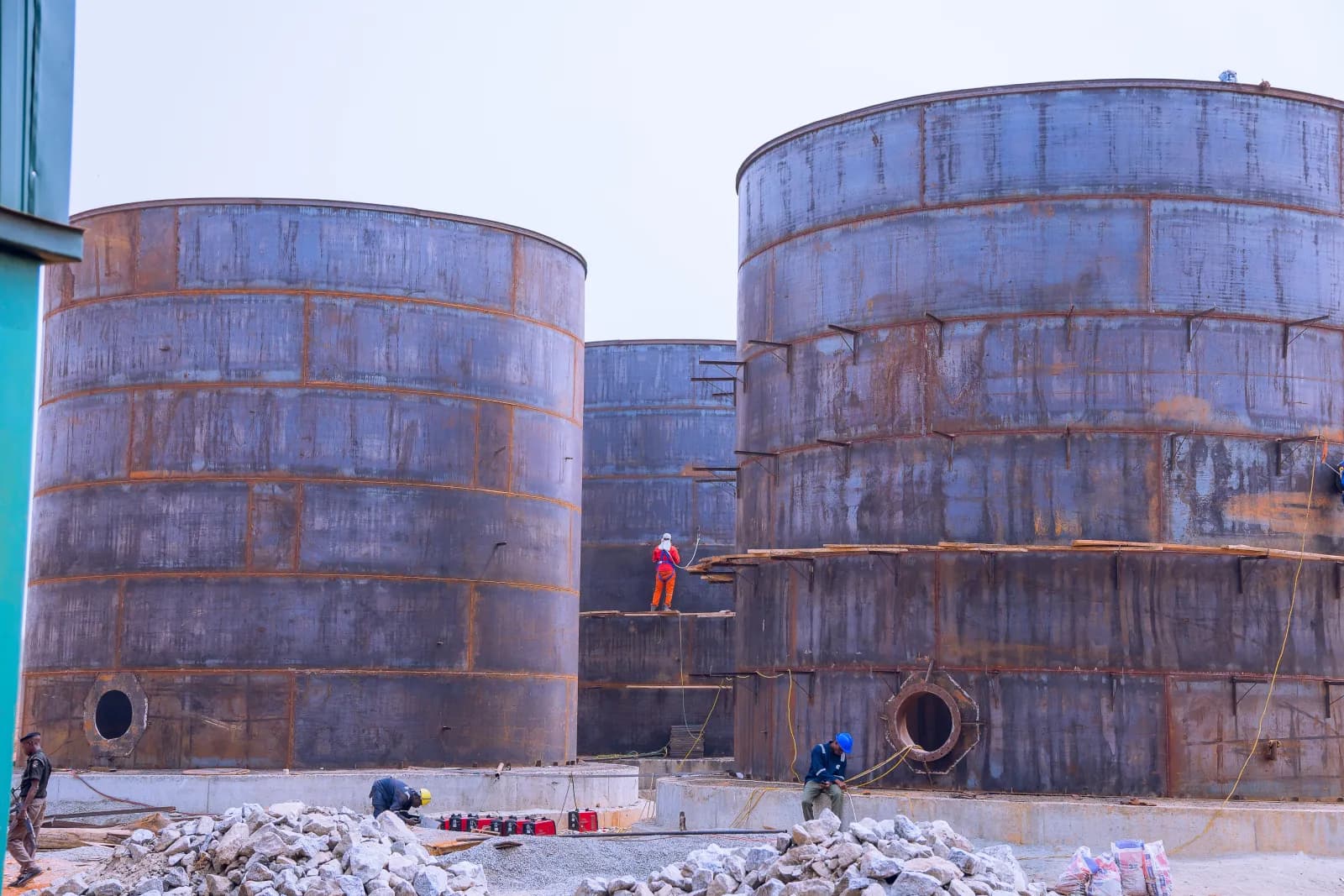
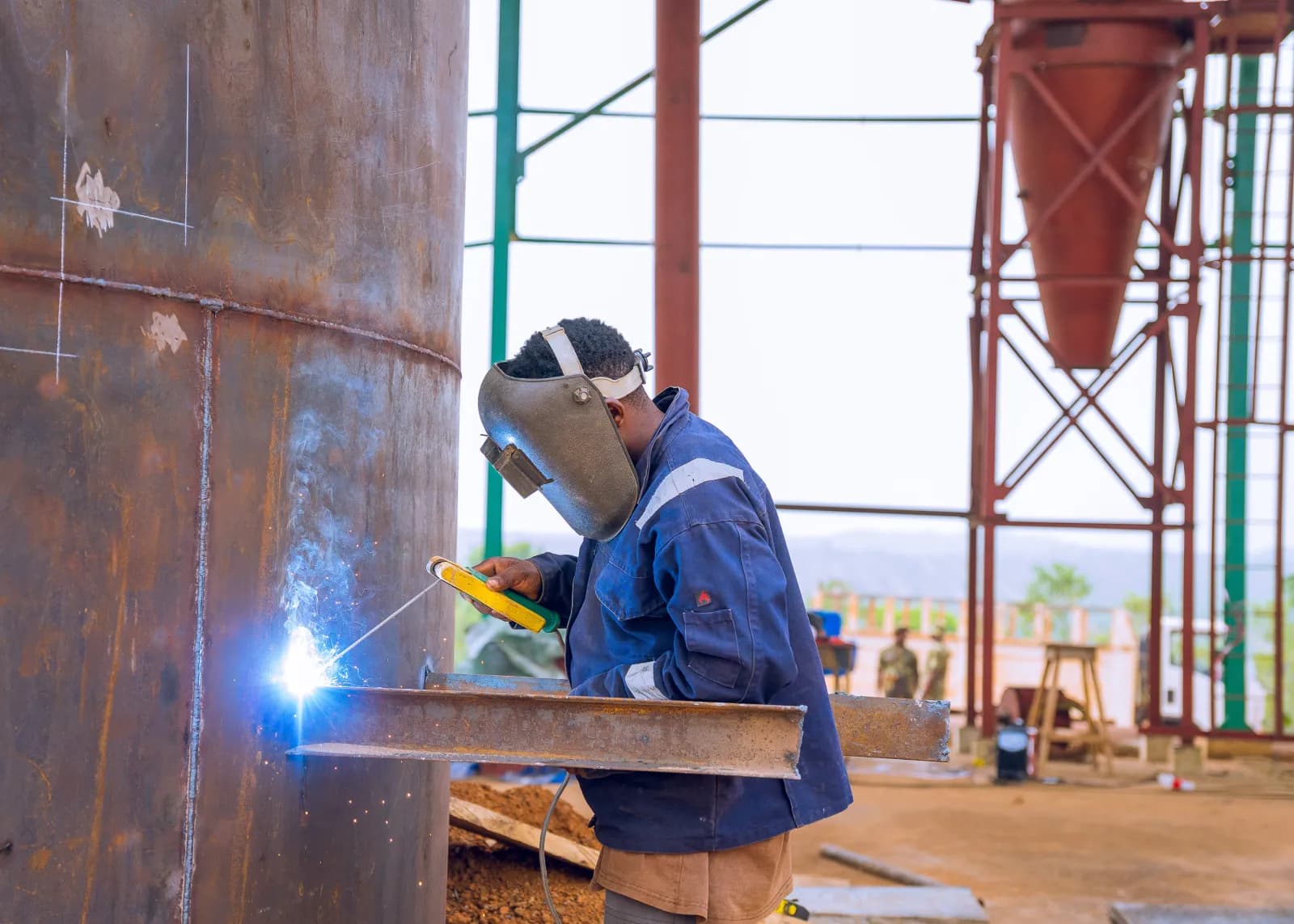
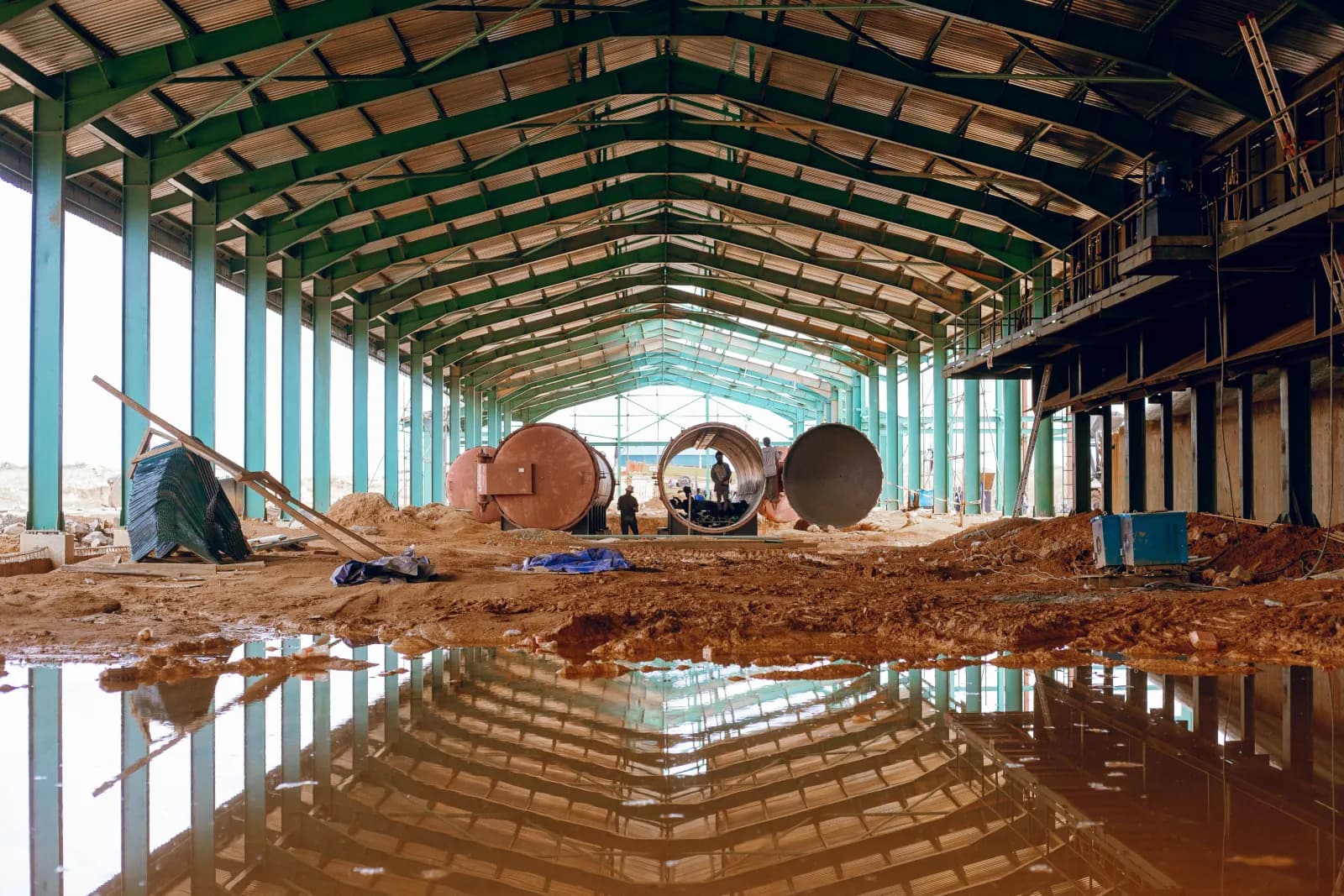
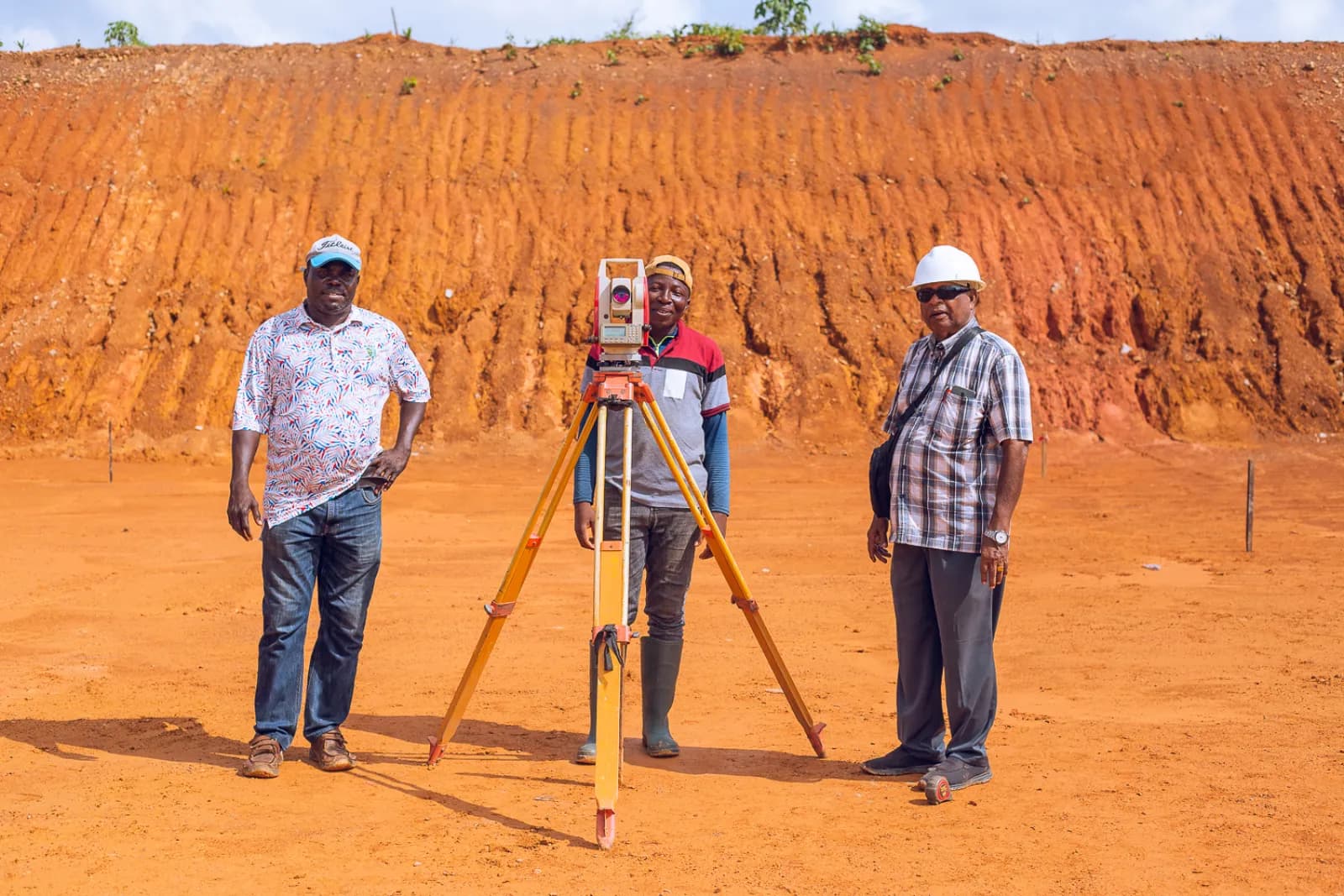
The new mill, currently about 95% complete, is expected to be completed and commissioned by the end of April 2026. Construction began in 2022, with all major mechanical and electrical installations already completed. Final works are focused on civil infrastructure, including internal roads and concrete surfaces.
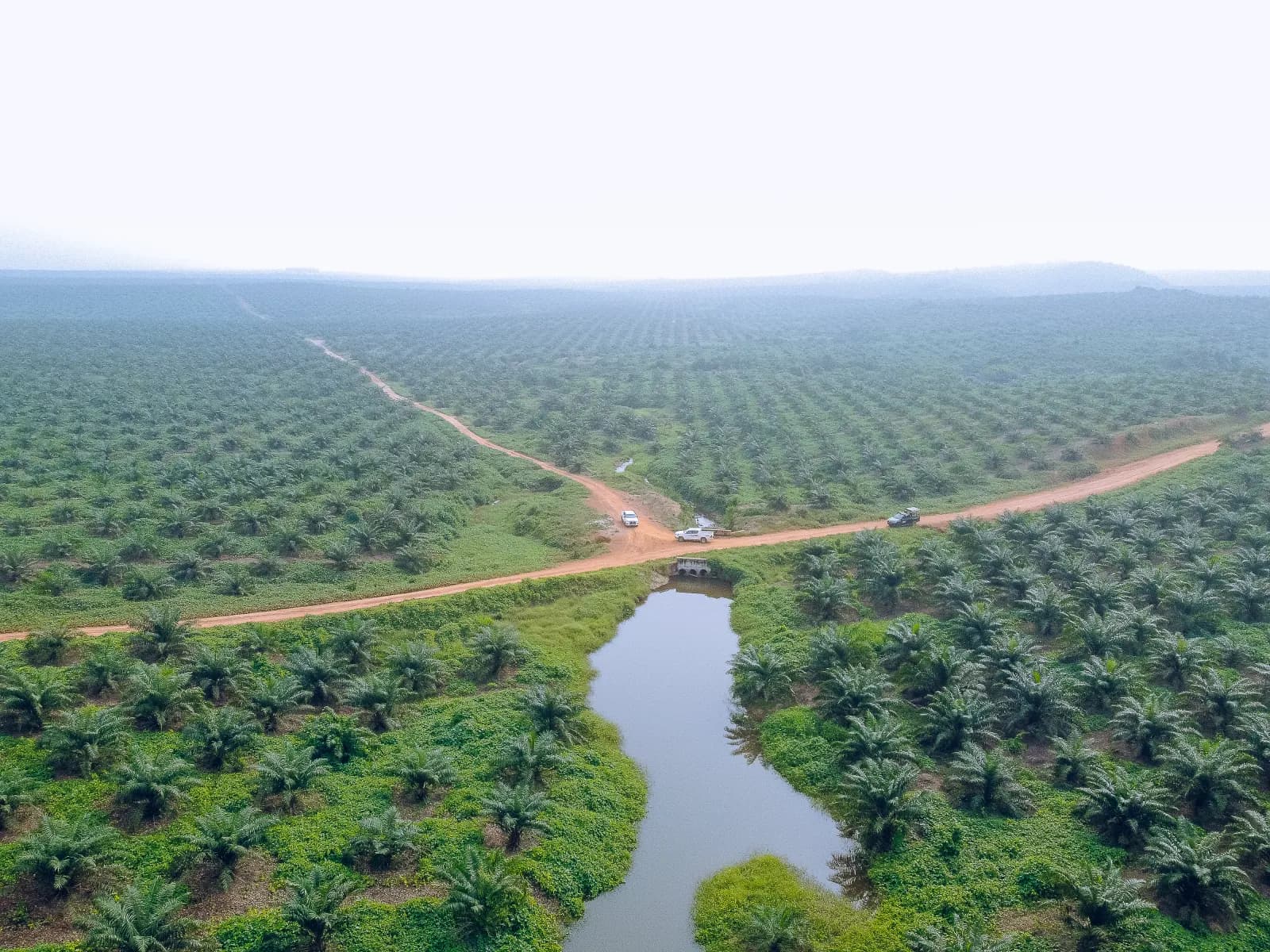
The decision to build a mill of this scale follows JB Farms' recent planting of 8,000 hectares of oil palm within its plantation. The new facility will provide the capacity required to efficiently process increasing volumes of fresh fruit bunches into crude palm oil (CPO) and palm kernels, strengthening the company's integrated value chain from plantation to processing.
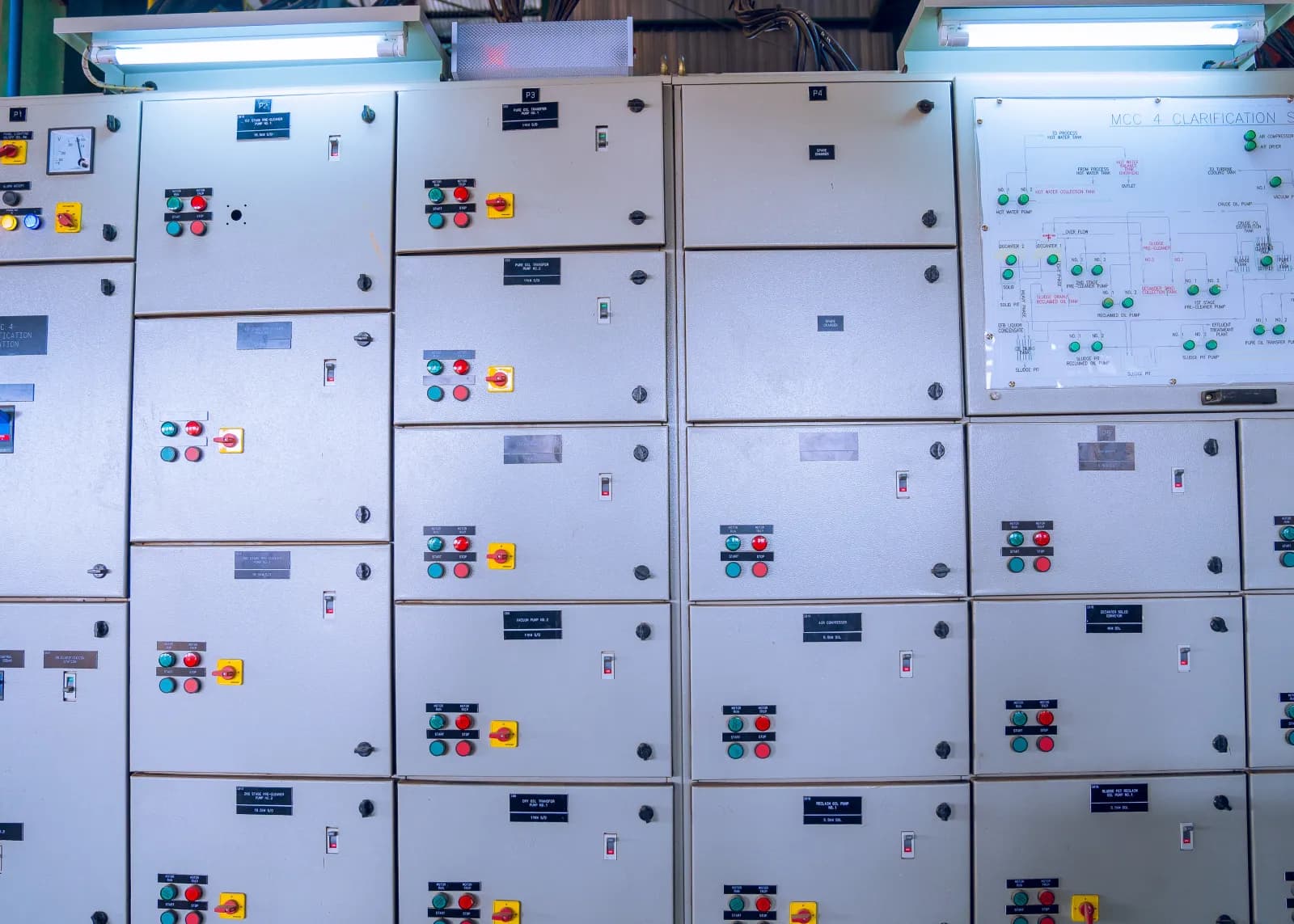
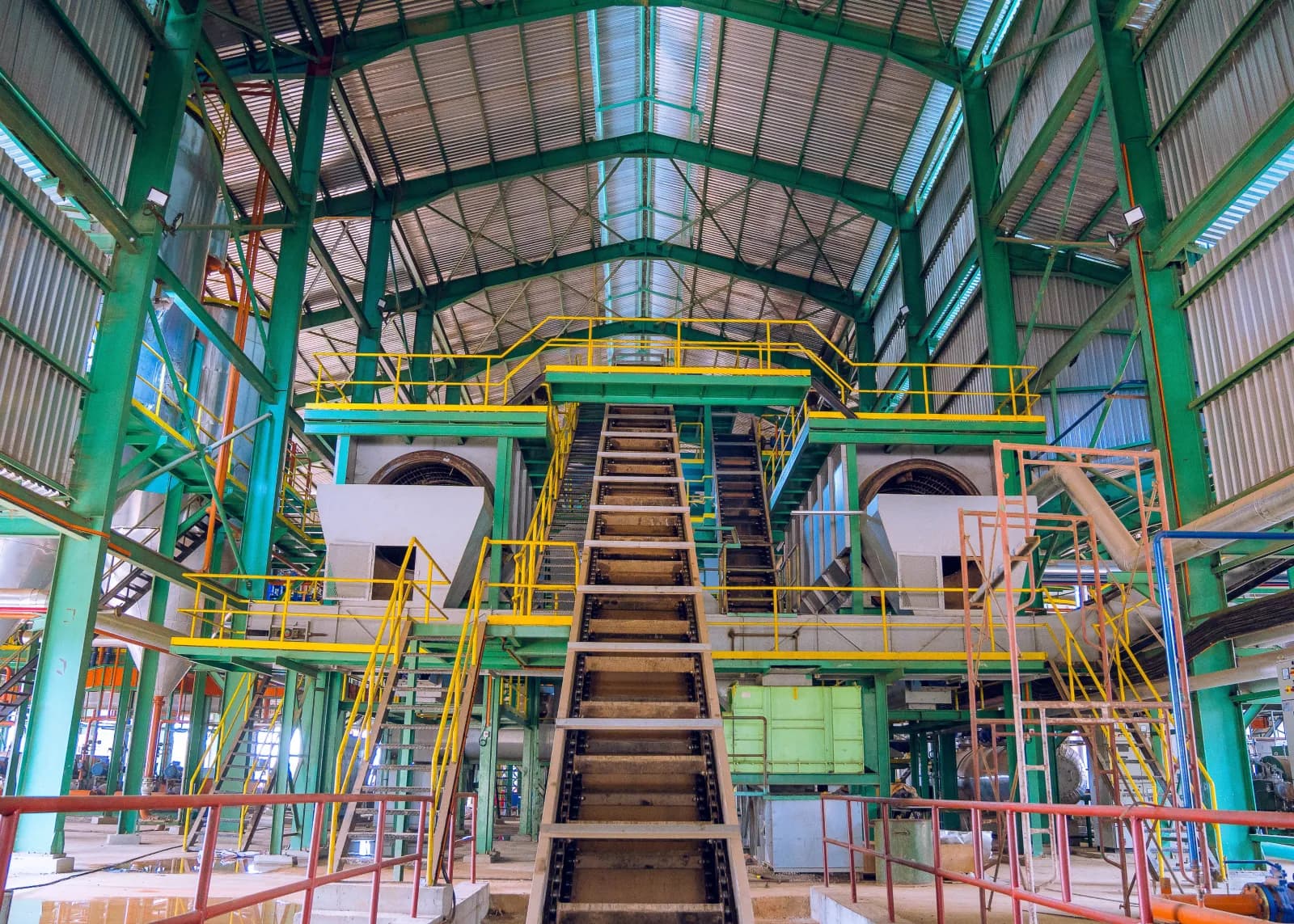
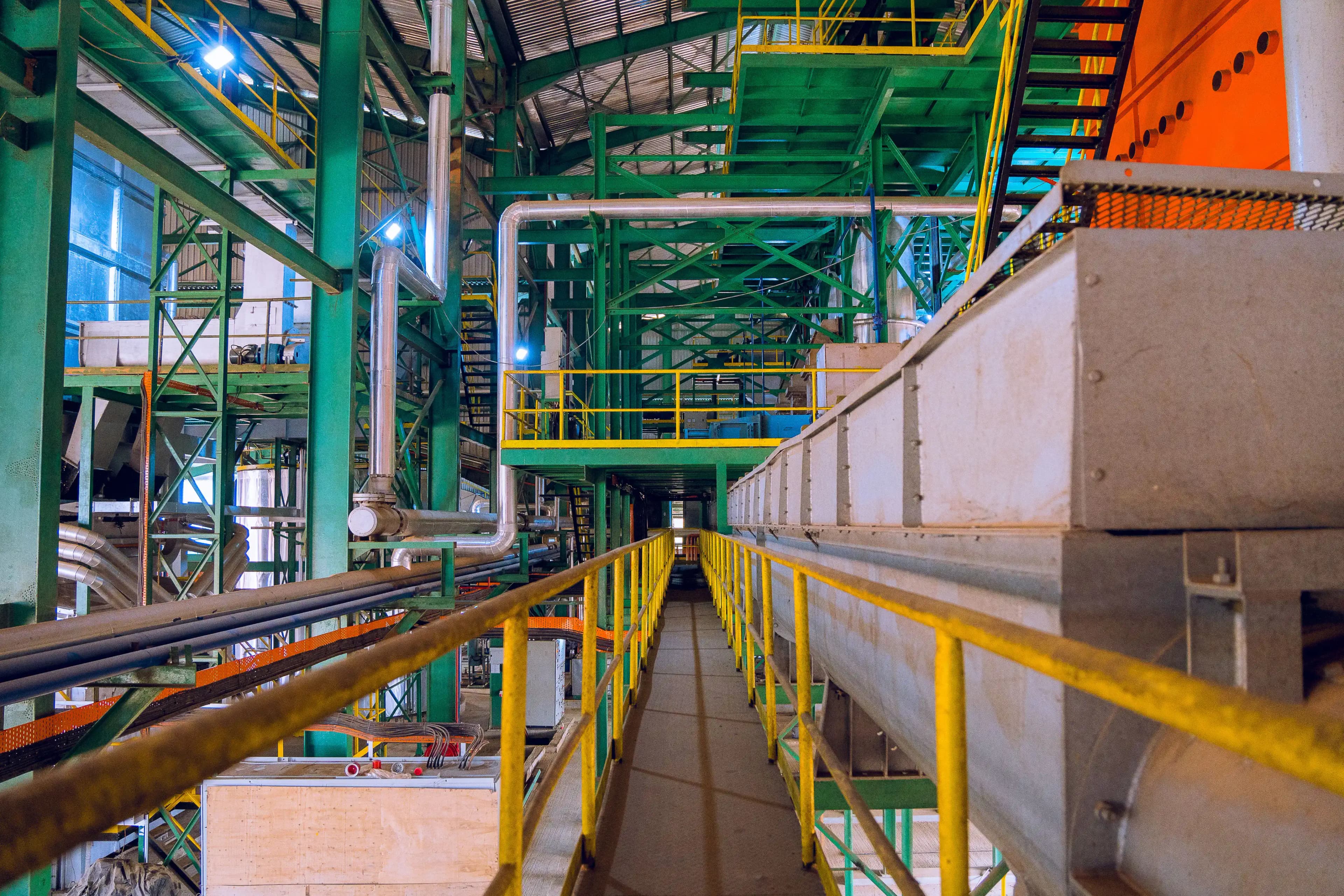
Unlike JB Farms' existing semi-industrial mills, which rely on diesel generators and higher levels of manual labour, the Ore mill is a fully industrialised and highly automated facility. It requires minimal human input and is designed to operate as a self-sustaining energy system.
Processing waste generated during milling, primarily fibrous biomass, is used as fuel in a boiler to produce steam. This steam powers a steam turbine system, generating electricity for the mill and reducing reliance on external energy sources by almost 100%. Diesel generators are required only during start-up, until sufficient biomass becomes available.
At present, mills of this nature are typically operated by large multinational companies. The Ore mill, therefore, represents a significant transition for JB Farms as a fully indigenous plantation company, moving from semi-industrial operations to world-class industrial processing.
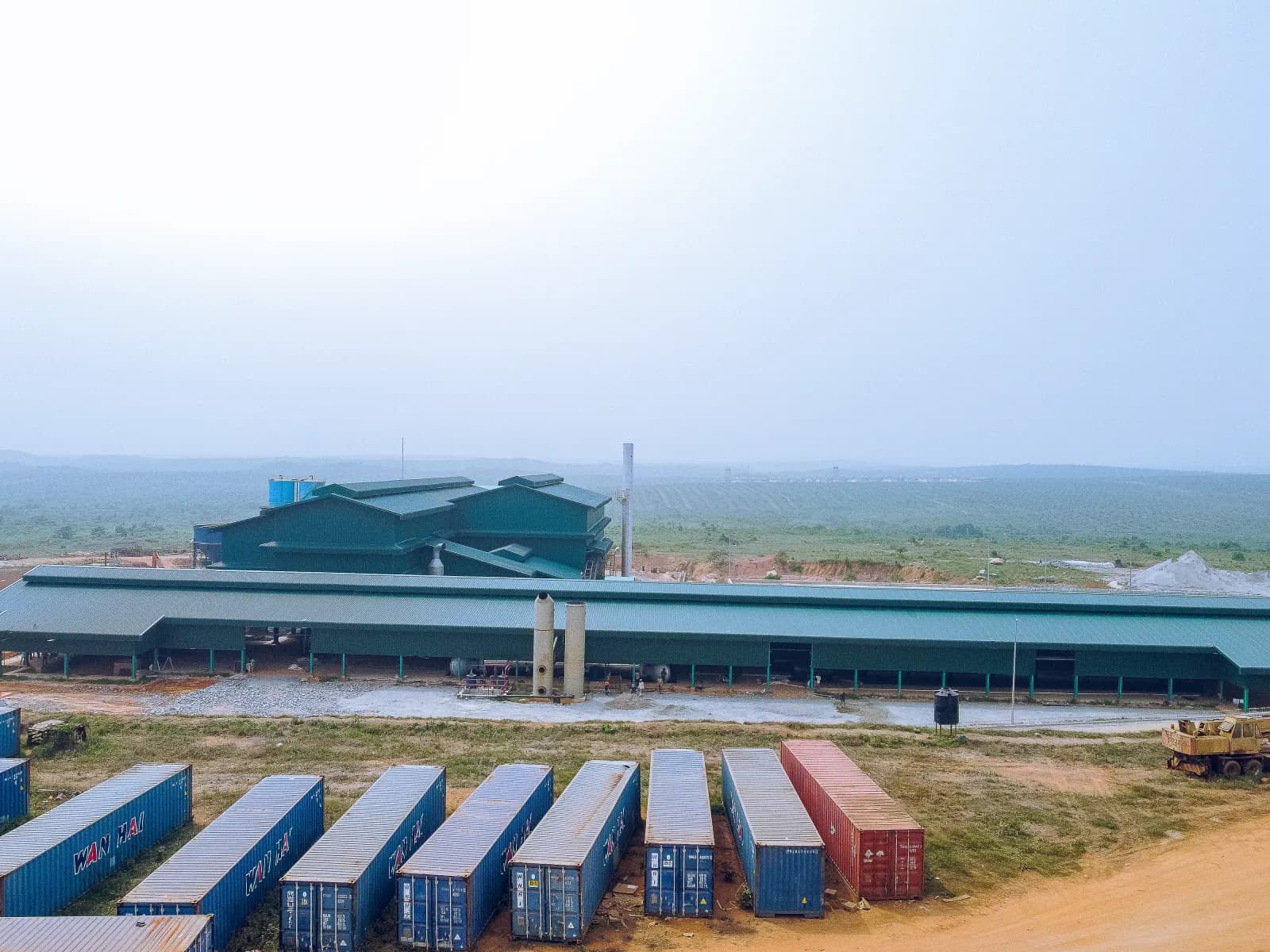
Beyond JB Farms' own production, the new mill is designed to support surrounding communities through an outgrower partnership model. While many locally fabricated mills operate at oil extraction rates of 10–12%, the Ore mill achieves 20–22% extraction efficiency.
JB Farms plans to purchase fresh fruit bunches from local growers using a conservative extraction benchmark of 16%, allowing growers to earn approximately 4% more value than current arrangements, without the cost and inefficiencies of self-milling. This creates a sustainable, win–win model for both JB Farms and local farmers.
Nigeria continues to spend scarce foreign exchange importing palm oil to meet domestic demand. JB Farms' investment in industrial-scale processing aligns with its long-standing commitment to import substitution, producing locally what the country currently imports.
As a proudly indigenous company, JB Farms & Tosett Agro is driven by a desire to contribute meaningfully to Nigeria's economic growth. The long-term vision is for Nigeria to meet local palm oil demand and become a net exporter following the path of countries such as Indonesia and Malaysia.
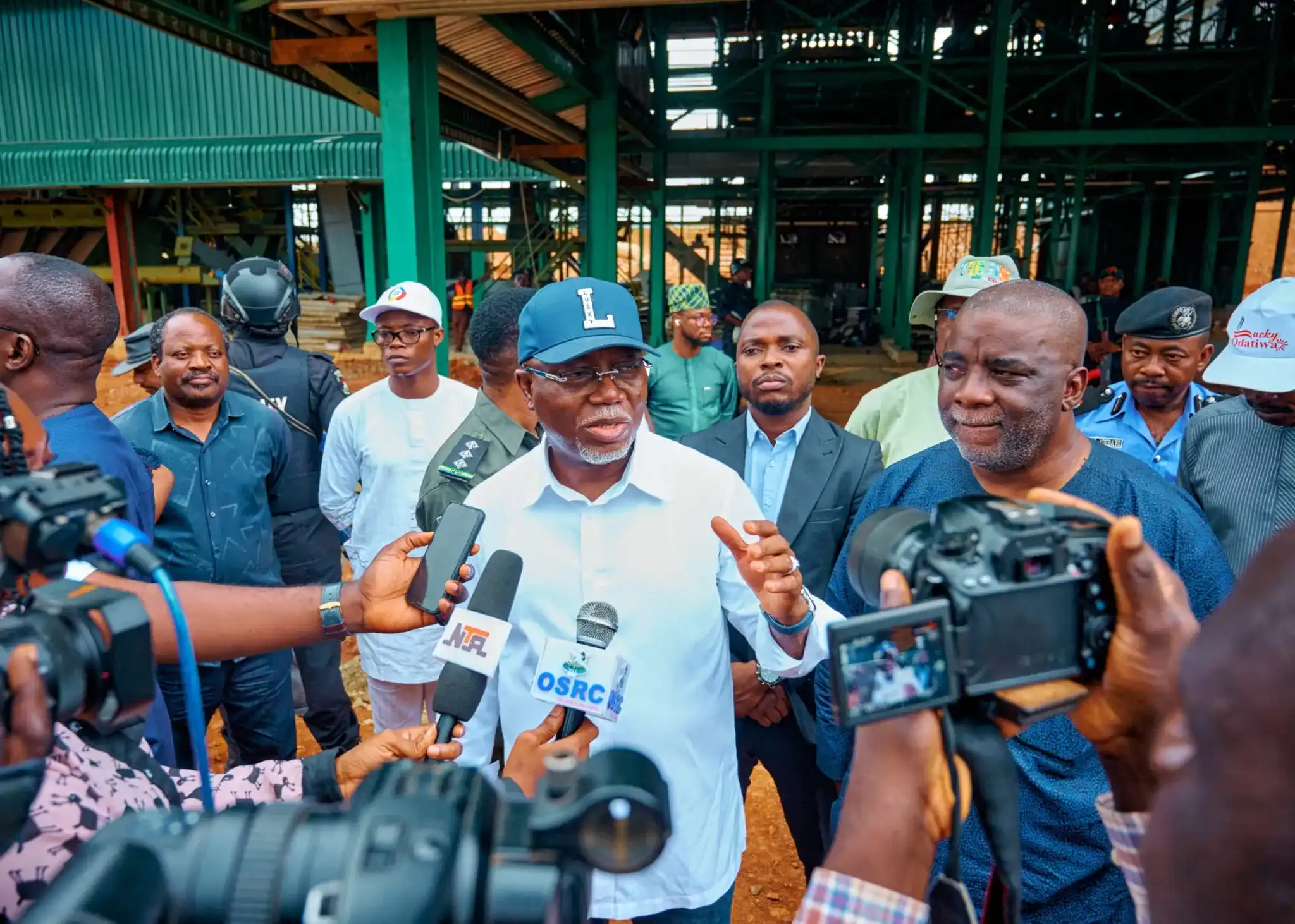
Gov Aiyedatiwa visits JB Farms in Ore, hails private sector investments read more...
Tosett Agro Industries records 70% savings switching from diesel read more...

Akeredolu harps on 'Red Gold,' inaugurates JB Farms' 10,000-ha plantation read more...